Advertisement
Editor selection
A concise briefing of ideas, discoveries, and conversations shaping the day.

Learn how self-driving cars handle blind corners with sensor fusion, NLOS radar reflections, cooperative perception (V2X), and safer planning under occlusion.

Learn how autonomous ocean monitoring platforms—gliders, saildrones, floats—expand coverage, manage sensor limits, and improve QA/QC for decisions.
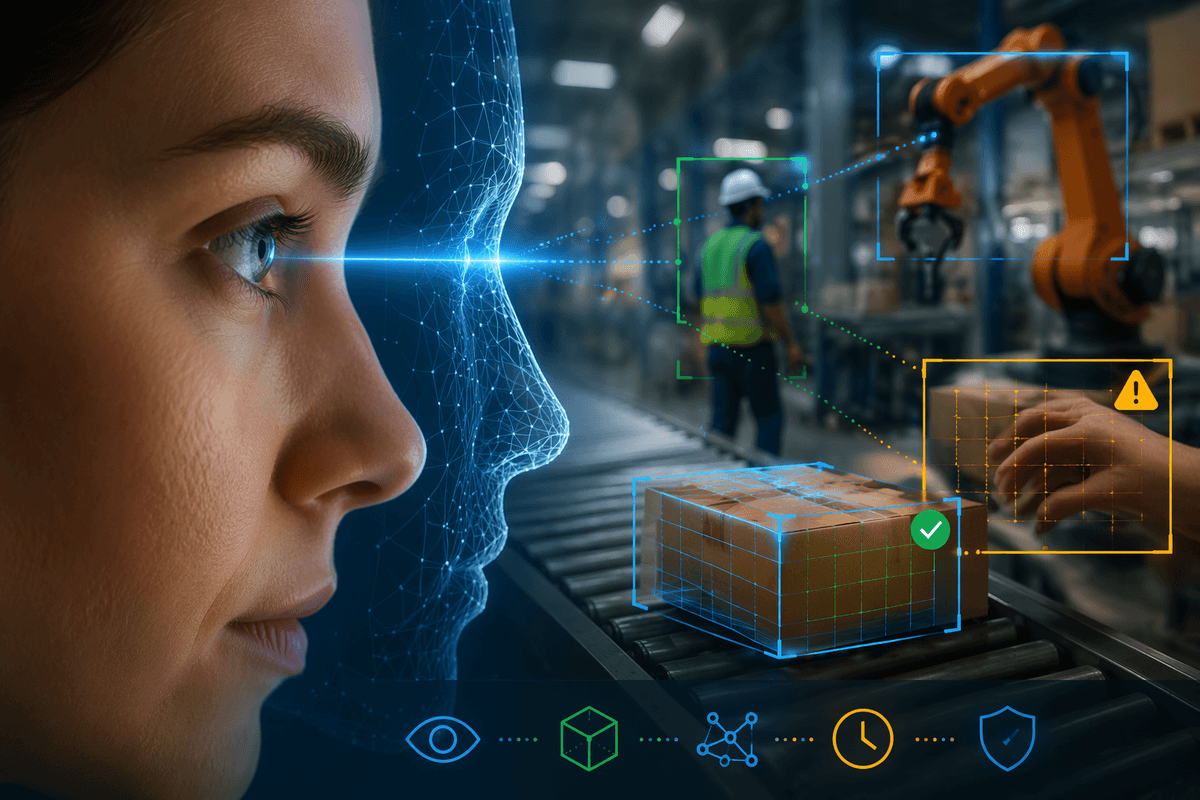
Learn how to make machine vision more human-like with better data, scene reasoning, temporal memory, multimodal grounding, uncertainty handling, and robust testing.
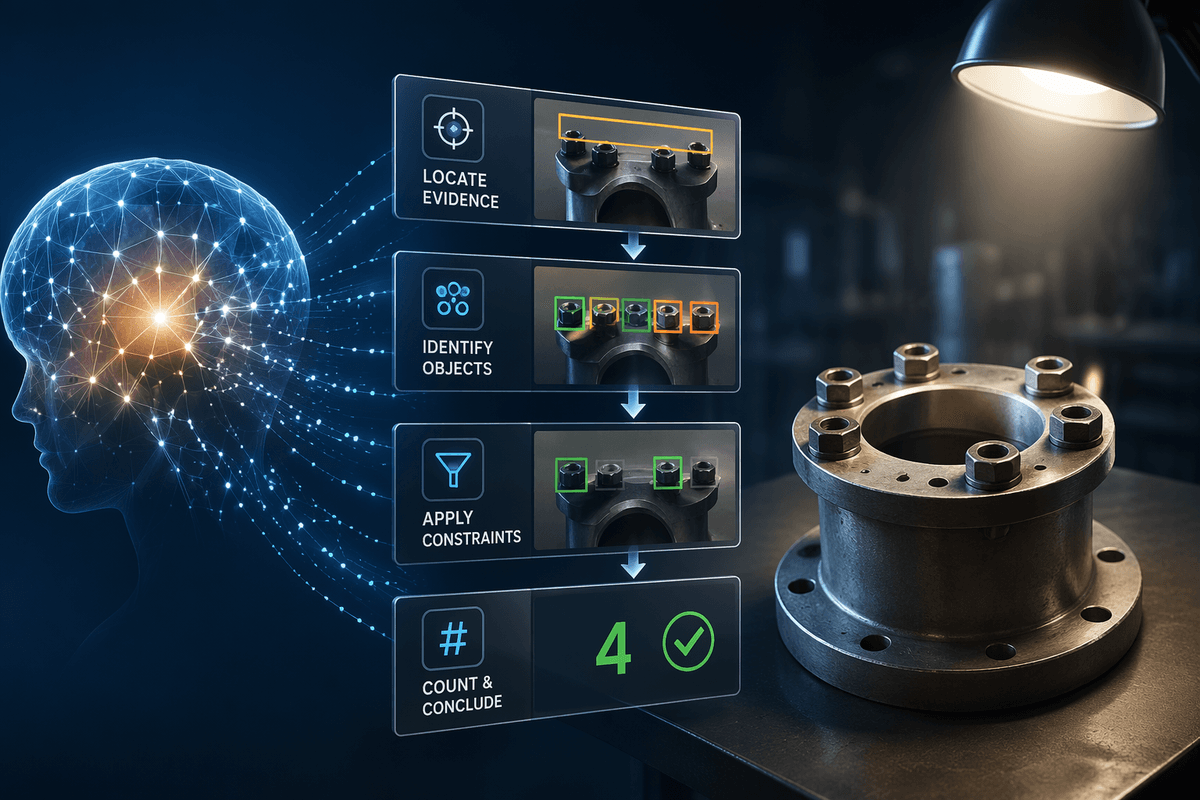
Teaching AI visual reasoning: define operator skills, build shortcut-resistant datasets, add evidence and intermediate-step supervision, and evaluate brittleness and calibration.

Learn why AI seems to think like humans, how language models learn, and the key gaps—memory, goals, grounding—that make over-trust risky in real workflows.

Machine learning helps protect seaweed with early warnings, computer vision, and sensor data—guiding monitoring, farm operations, and restoration before losses.

Latest dispatch
Quick reads for staying informed without losing the bigger picture.
Learn sound source localization: why it’s hard, how to define angle vs 3D goals, choose mic arrays, collect labels, and train/evaluate robust models.
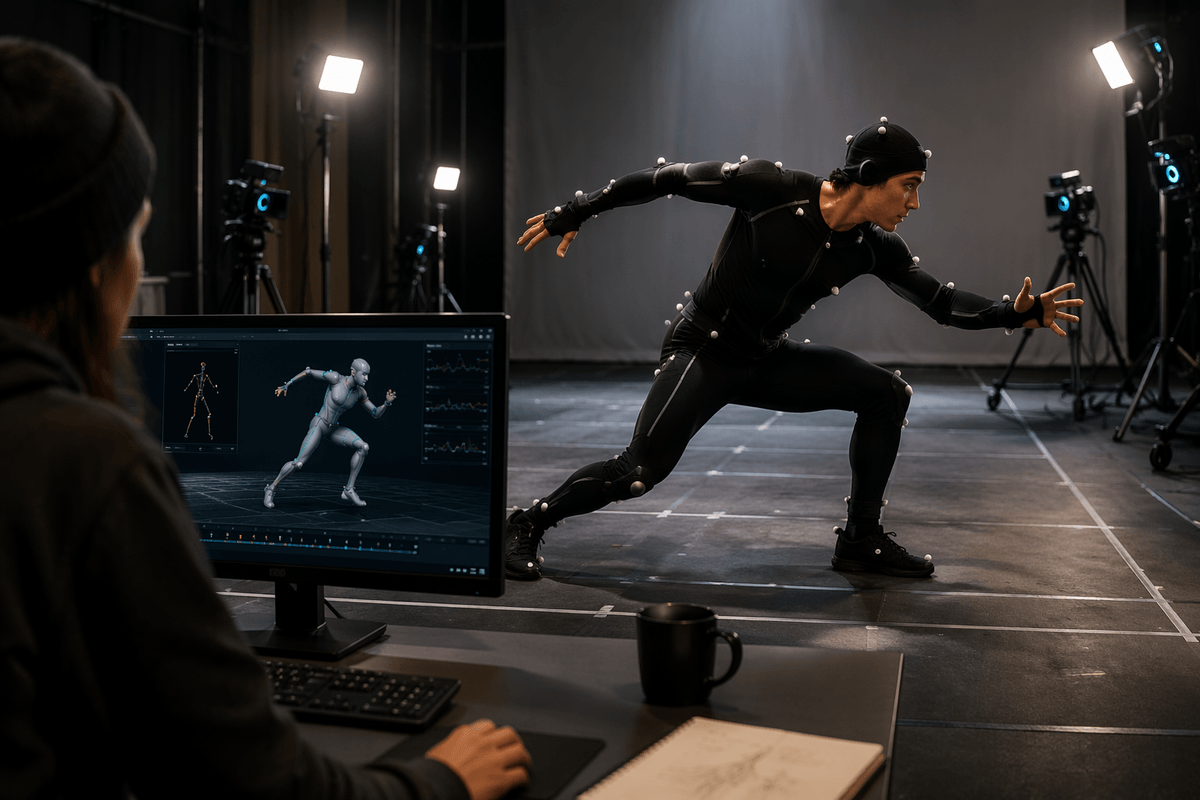
Guide to markerless motion capture: AI vs inertial/hybrid rigs, real-world quality tradeoffs, and a shot-based test plan for your pipeline.
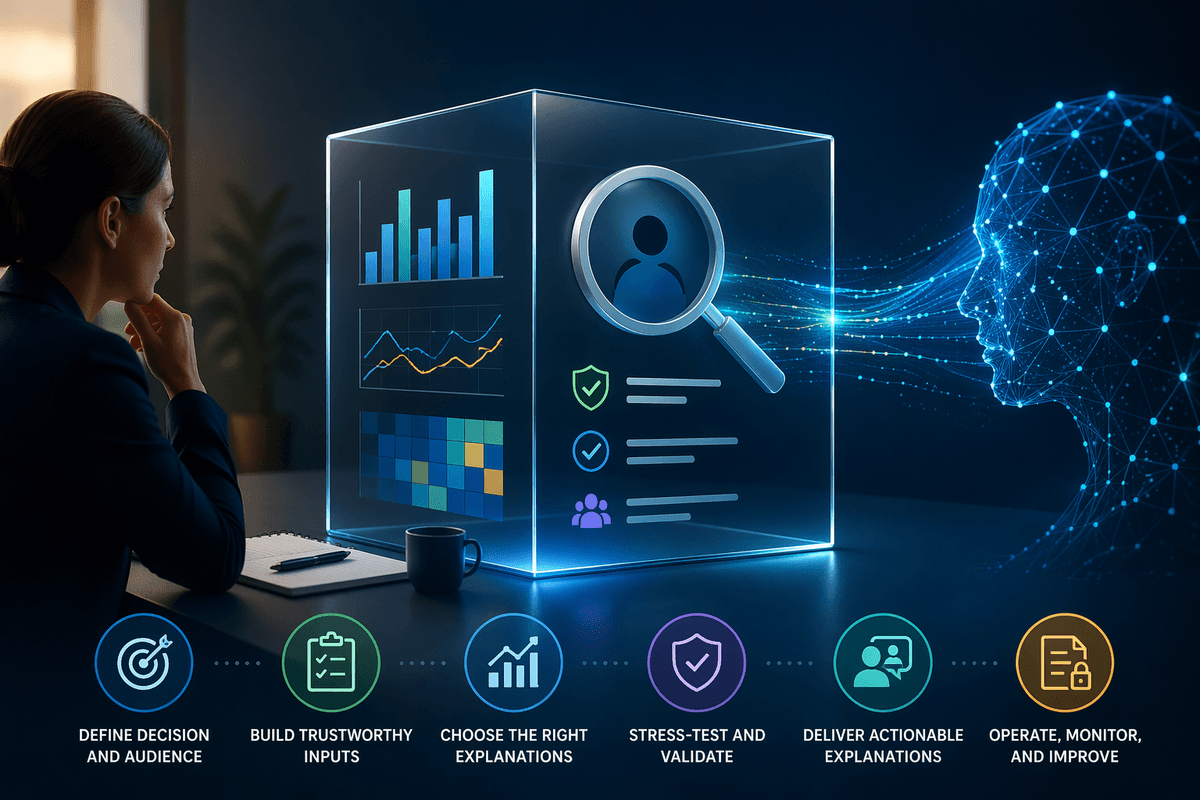
Learn practical explainable AI methods to justify ML decisions, choose interpretable models, create human-readable features, and stress-test explanations.
Learn how chiplet-based, Lego-like AI hardware enables flexible scaling of compute, memory, and bandwidth—and the latency, power, and interconnect tradeoffs.
Learn why simulation helps AI learn physical systems, how to choose fidelity vs speed, use domain randomization, and bridge the sim-to-real reality gap.
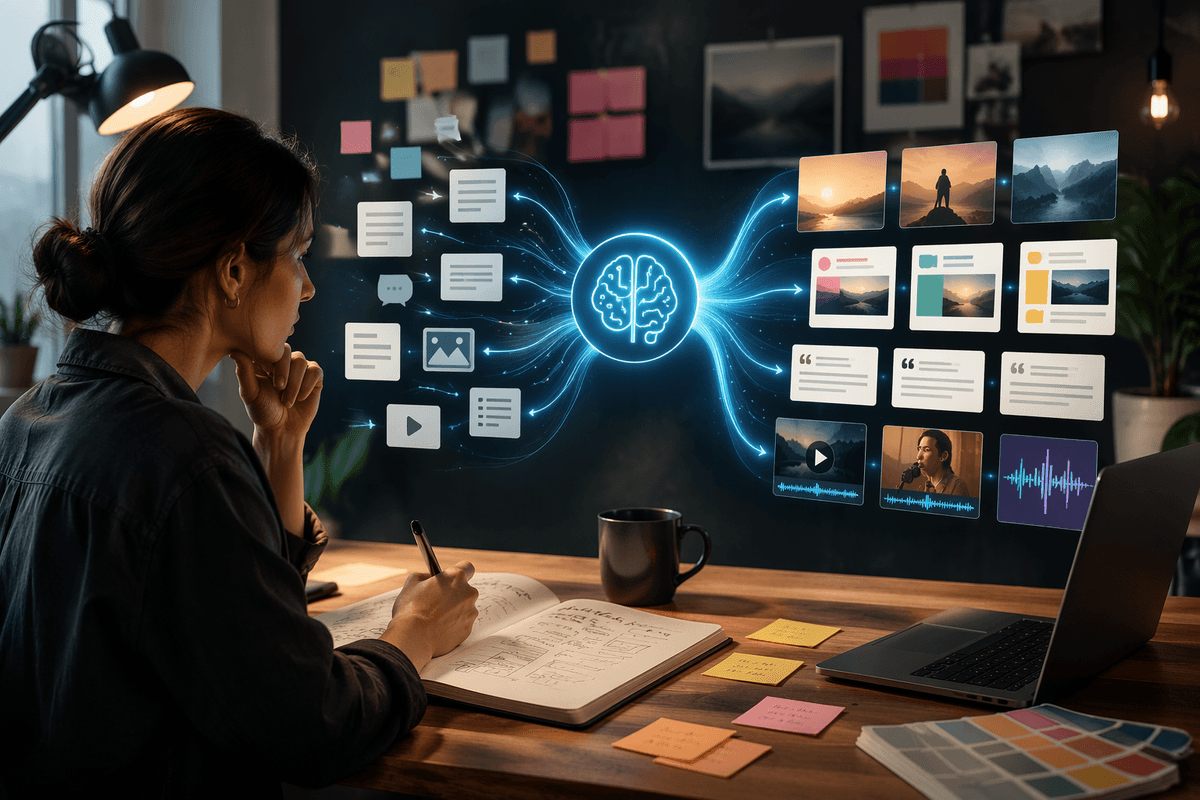
Learn where machine learning fits in creative workflows—drafting, iterating, organizing, and QA—plus tool choices, prompt systems, and rights guidelines.
Advertisement
Closer looks at the people and details behind the headlines.
Technologies
Learn how self-growing AI models cut training costs by expanding depth, width, experts, or context during training—plus key risks, checklists, and rollout plans.
Tessa Rodriguez · Jun 26, 2026
Technologies
Learn how molecular language models use SMILES pretraining and fine-tuning to predict chemical properties, avoid data leakage, and deploy reliable models.
Pamela Andrew · Jun 25, 2026
Applications
Learn how generative AI designs new protein structures—from sequence-to-shape modeling and physics constraints to in silico ranking, wet-lab validation, and key limits.
Pamela Andrew · Jun 25, 2026
Technologies
Learn how model collaboration reduces AI factual errors using drafter-critic-judge roles, claim extraction, retrieval grounding, citations, and clear decision rules.
Verna Wesley · Jun 18, 2026
Applications
Learn how generative AI changes content creation with faster ideation, drafting, and repurposing—plus workflows, quality risks, and legal constraints.
Isabella Moss · Jun 18, 2026
Technologies
Learn how smart assistants adapt to user collaboration styles using in-thread signals, adjustable controls, and safe defaults to reduce friction and errors.
Aldrich Acheson · Jun 18, 2026
Explore every remaining story in our latest collection.
Impact
Learn when high-resolution AI improves visual analysis, plus the trade-offs in memory, latency, labeling quality, and pipeline choices like crop, tile, or full-frame.
Jun 18, 2026
Applications
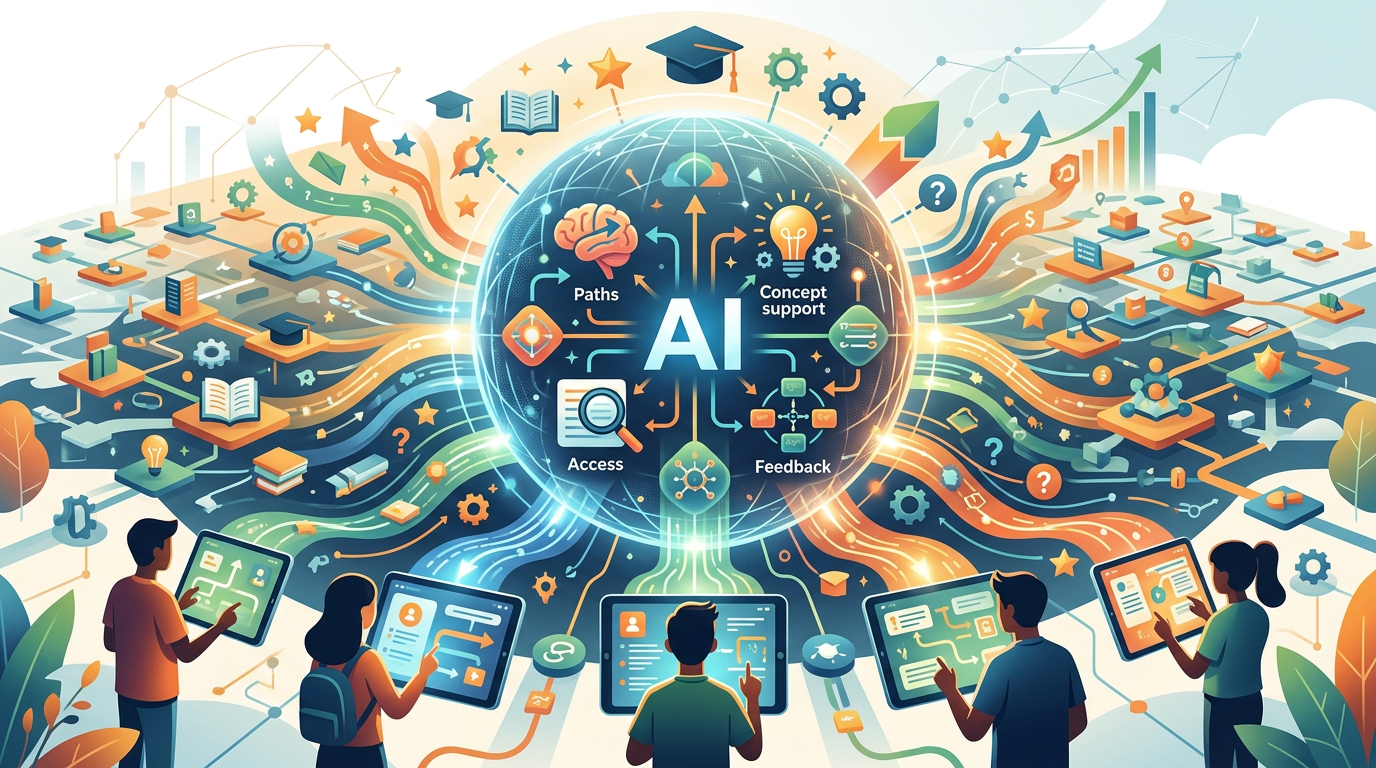
AI personalized learning for school districts: define the student need, compare AI approaches, and pilot with privacy, safety, and equity built in.
Mar 5, 2026
Technologies
How to design AI programs with customers at the core, creating trust, adaptability, and meaningful human connection
Nov 18, 2025
Technologies
Explore how AI agent systems and advanced reasoning improve decision-making, efficiency, and collaboration for smarter outcomes
Sep 25, 2025
Basics Theory
How the random forest algorithm in machine learning works, including its structure, strengths, and practical use cases. A beginner-friendly guide with clear explanations
Sep 23, 2025
Impact
Explore whether Explainable AI has a future in an age of fast-evolving technology. Understand the challenges of model transparency, the growing need for interpretability, and the impact of legal and ethical demands
Sep 23, 2025
Impact
Know how AI reshapes product operating models with key shifts, principles, challenges, and future opportunities for businesses
Sep 20, 2025
Basics Theory
What semi-supervised learning is, how it works, and why it’s becoming essential in modern machine learning. Learn how this approach combines labeled and unlabeled data to create smarter, more accurate models
Sep 16, 2025
Impact
How Character.AI empowers users to shape smarter, human-centric AI through engaging and collaborative interactions.
Aug 15, 2025
Applications
How Clipboard AI enhances financial efficiency by automating tasks, improving accuracy, and unlocking smarter strategies.
Aug 14, 2025
Applications
The race heats up as top AI companies roll out new models, pushing boundaries in speed, power, and capabilities.
Jun 24, 2025
Applications
Learn how to track, fetch, and analyze IP addresses using Python. Find public IPs, get location details, and explore simple project ideas with socket, requests, and ipinfo libraries
Apr 27, 2025
Technologies
Applications
Technologies
Basics Theory
Basics Theory
Applications