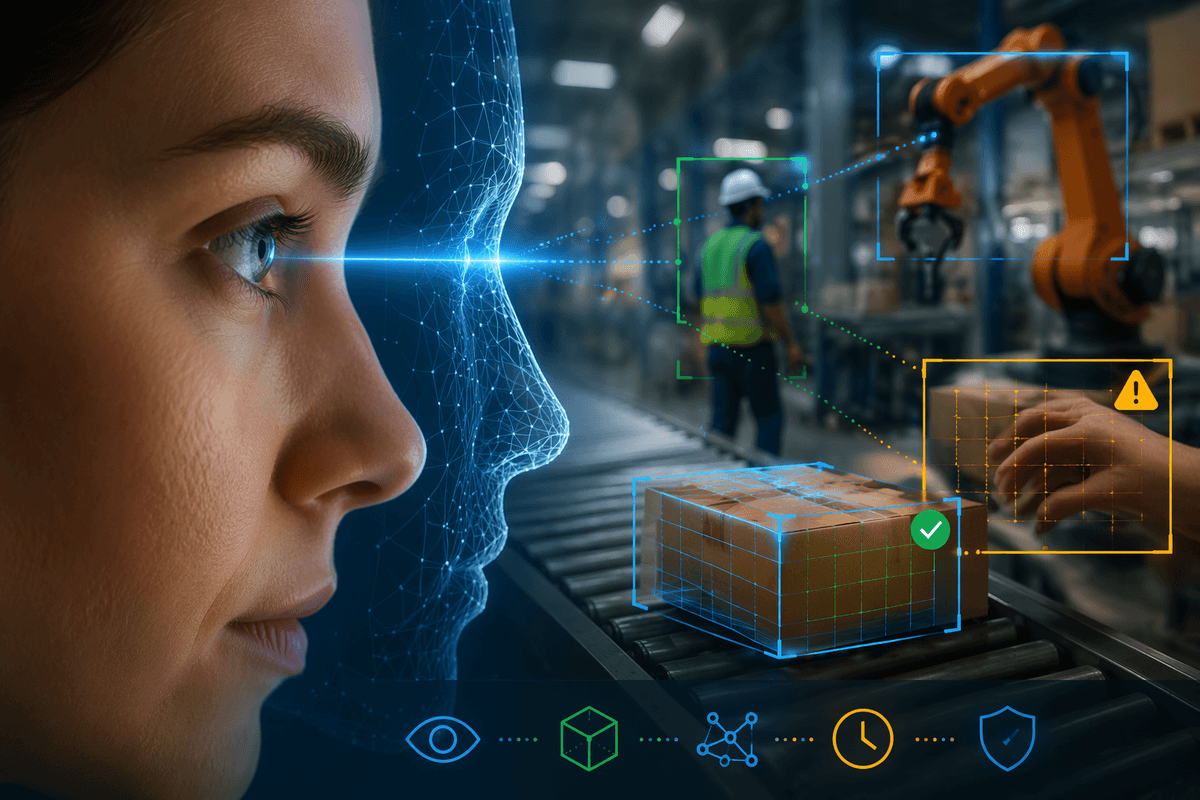
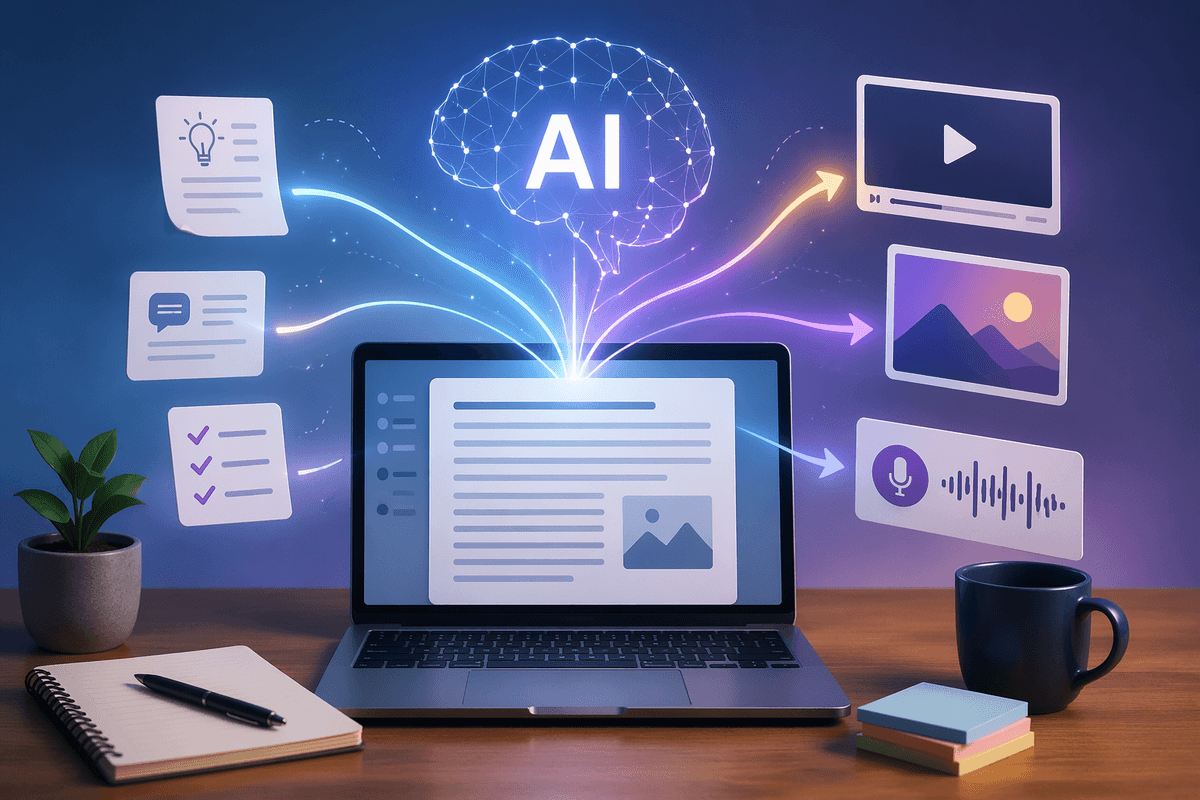
Artificial intelligence is changing more than simply technology. It is altering the way companies create and administer goods. Conventional operating systems that emphasized projects, deadlines, and delivery measures no longer apply to this fast-paced environment. Products built with artificial intelligence behave differently. They profit from information, adapt with experience, and require constant change. It emphasizes the importance of adaptability, experimentation, and cross-functional collaboration.
Businesses need to reassess their notions of success, team organization, and risk management strategies. Technically and strategically, the change is also a cultural one. Leaders must adopt new approaches to working that emphasize customer value and results. In this article, we examine how product operating models are evolving in the age of artificial intelligence and what that means for the future.
Key Shifts in Operating Models with AI
AI is changing firms' attitudes toward product operating models by introducing changes exceeding conventional wisdom. Organizations used to mostly follow project-based models in which deadlines and feature counts determined delivery. However, AI products evolve from data and require regular updates to stay current; they are not static. It implies that businesses must shift their focus from outputs to outcomes, concentrating on customer value, adoption, and commercial impact rather than merely delivering statistics.
From fixed annual planning cycles to constant discovery and feedback represents another change. Since artificial intelligence systems advance rapidly, testing and iterative roadmapping become quite important. Teams should also switch from siloed work to cross-functional teamwork by fusing knowledge from product, engineering, design, and data science. Since artificial intelligence (AI) poses hazards, including data misinterpretation or bias, ethical monitoring and control bring an added level of scrutiny to these changes.

Principles for AI-Friendly Product Operating Models
Effective and adaptable AI-driven product operational models rely on several fundamental principles. First is customer centricity: AI should address actual issues rather than only demonstrate technology. This rule makes sure that goods are designed with user needs and market demands in mind. Second is a shift from outputs to outcomes, whereby success is measured by happiness, retention, and revenue—rather than by the completion of tasks. Giving cross-functional teams end-to-end accountability allows product managers, engineers, designers, and data scientists to collaborate seamlessly without silos.
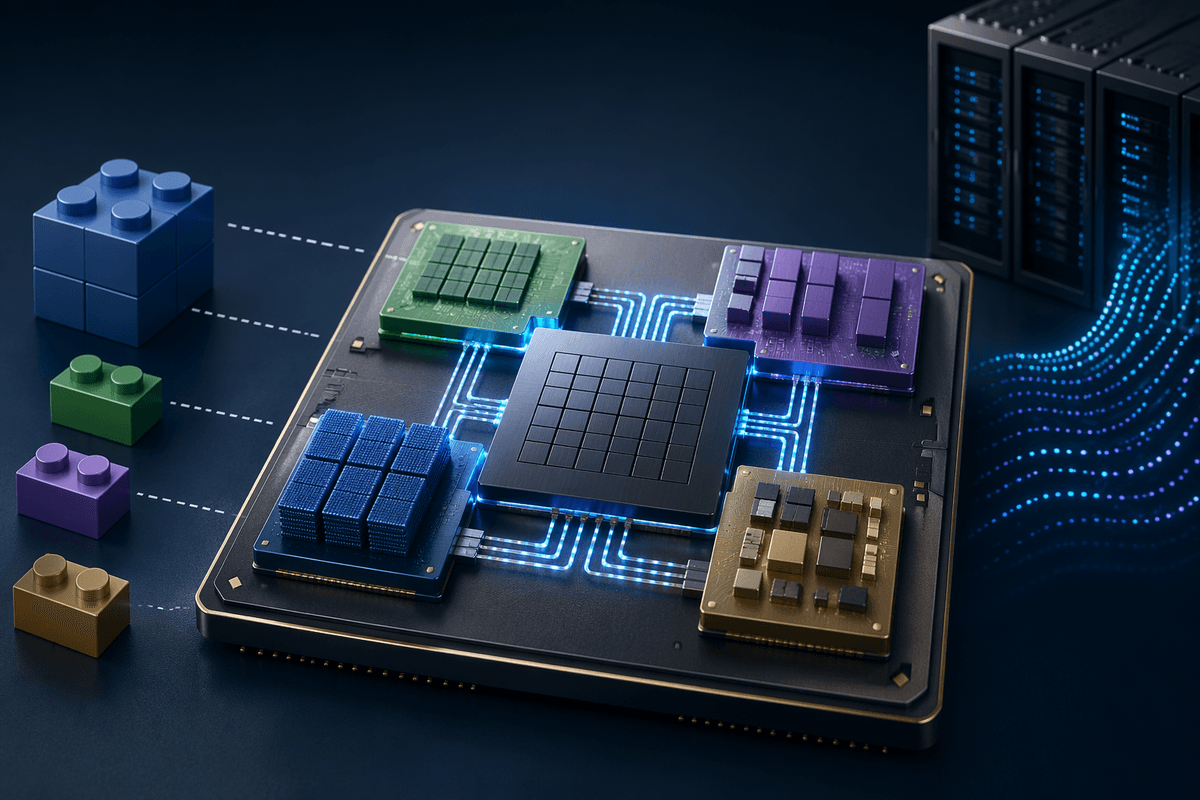
Encouraging small trials, rapid learning, and changes through continuous research and experimentation is also important. To help with this, businesses require modular and flexible technology designs that allow AI pipelines, data flows, and tools to be easily updated without compromising current systems. Ultimately, avoiding problems such as prejudice, security breaches, or regulatory breaches depends on effective governance and risk management. In the age of artificial intelligence, these ideas together create robust, flexible, and reliable models.
How Companies Are Implementing These Changes
The level of integration differs, but companies worldwide are steadily adopting AI-friendly operating models in their product strategies. Many begin with modest pilot studies that explore new ideas before expanding. Companies could form a special product team with the authority to test AI-driven capabilities and monitor results, including customer satisfaction and adoption. Although few have reached complete maturity, studies reveal that some businesses are transitioning from "experimenting" to "expanding" their product models.
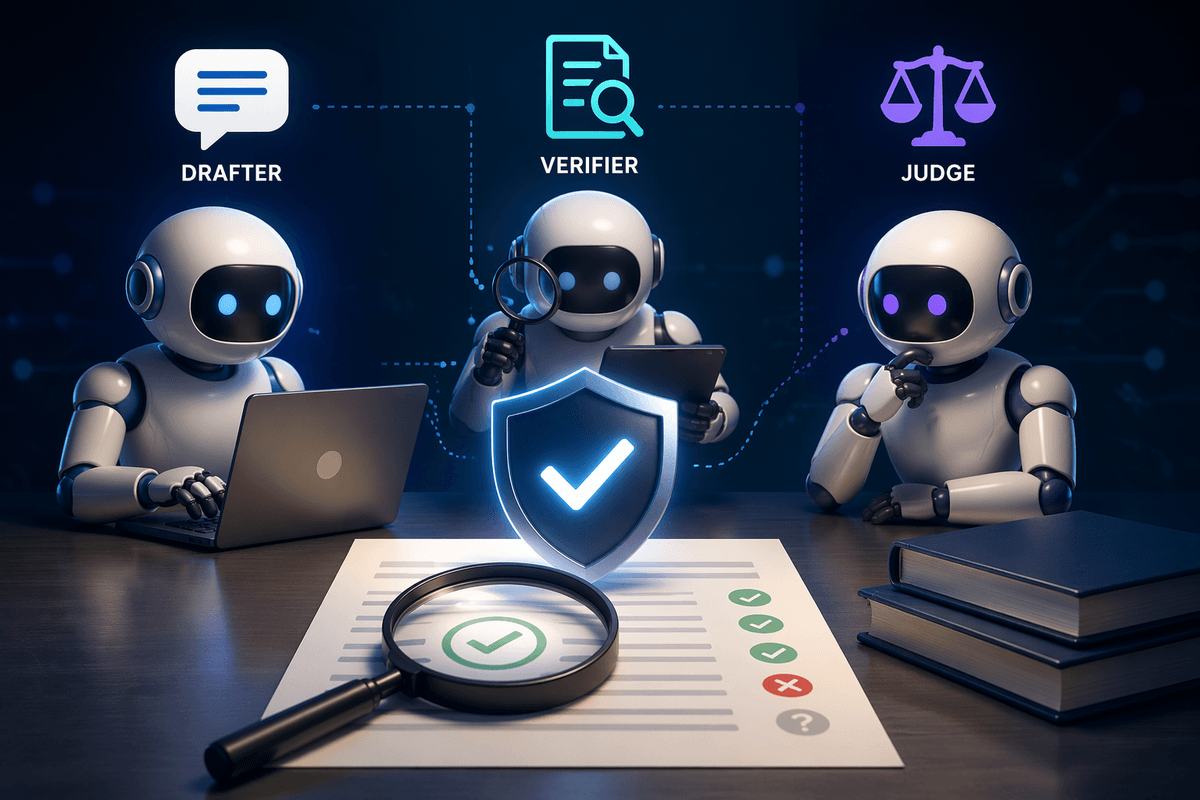
Including artificial intelligence not only in the product but also in development procedures, such as testing, design, or code assistance, is yet another frequent action. Big consultancies say some businesses are rethinking IT completely, reassigning staff and money to business divisions and incorporating governance straight into product teams. Companies in heavily regulated sectors, such as healthcare and life sciences, create working models that strike a balance between speed and compliance to ensure AI pipelines remain safe and ethical.
Challenges and Risks in Evolving Product Models
Organizations face significant challenges and risks, even if adopting artificial intelligence for product development provides advantages. People often oppose change because teams that used to work on projects may have problems with models that focus on results. Transformation may be slowed by leadership uncertainty or ambiguity of ownership. Technical debt presents yet another obstacle: outdated systems and siloed data make it challenging to execute rapid iterations or flexible AI pipelines.
Shifting measurement from outputs to outcomes also creates confusion, as it can be challenging to define obvious success criteria. Aligning cross-functional teams presents cultural and linguistic challenges, as experts in product, data, engineering, and compliance must work closely together. Further hazards come from ethics and governance; without protections, artificial intelligence may introduce bias, privacy concerns, or legal difficulties that compromise credibility and trust. Scaling ultimately requires time, money, and sustained leadership across multiple departments and divisions.
Future of Product Operating Models in the AI Era
Product operating models in the AI age will stress trust, speed, and flexibility. Operating models will evolve to support continuous learning systems as artificial intelligence technology continues to advance. In these systems, updates and changes occur almost in real-time. Companies are likely to adopt distributed models that give product teams more autonomy while still maintaining strong governance structures. Ethical AI methods, transparency, and bias monitoring will be included in these models to ensure consumer trust. Automation will simplify many repetitive activities, freeing up teams to focus more on user experience, strategy, and creativity.
From design to coding, another trend is the tighter integration of AI solutions into daily activities. It makes artificial intelligence not only a component of the product but also a component of the process. Companies will invest a substantial amount of money in initiatives such as collaborating with other departments, offering flexible workspaces, and training their employees in new skills. Future business models will generally be more flexible, customer-centric, and resilient, thereby ensuring long-term success in a rapidly evolving AI-driven environment.
Conclusion
The growth of artificial intelligence calls for innovative ideas on product operating models. Traditional project-based techniques cannot match the speed, sophistication, and relentless pace of change that AI brings. Companies that adapt will produce models that emphasize flexibility, customer value, and outcomes. Strong leadership, cultural openness, and clear rules for risk management are all necessary in this transformation. Even if obstacles such as opposition, outdated systems, and ethical concerns still exist, the chances are significantly higher. Companies that adopt flexible, AI-friendly models will remain competitive, produce reliable goods, and innovate more quickly. Companies ready to adapt their running systems for the artificial intelligence age will own the future.