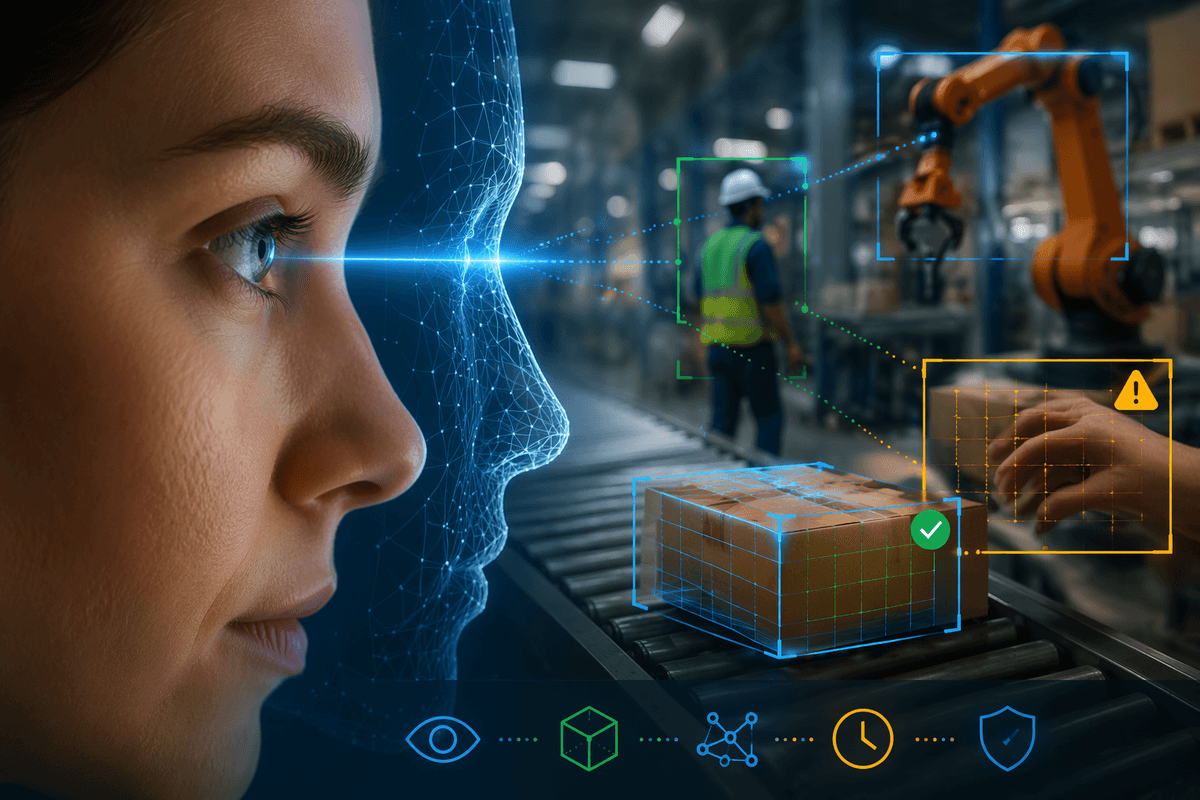
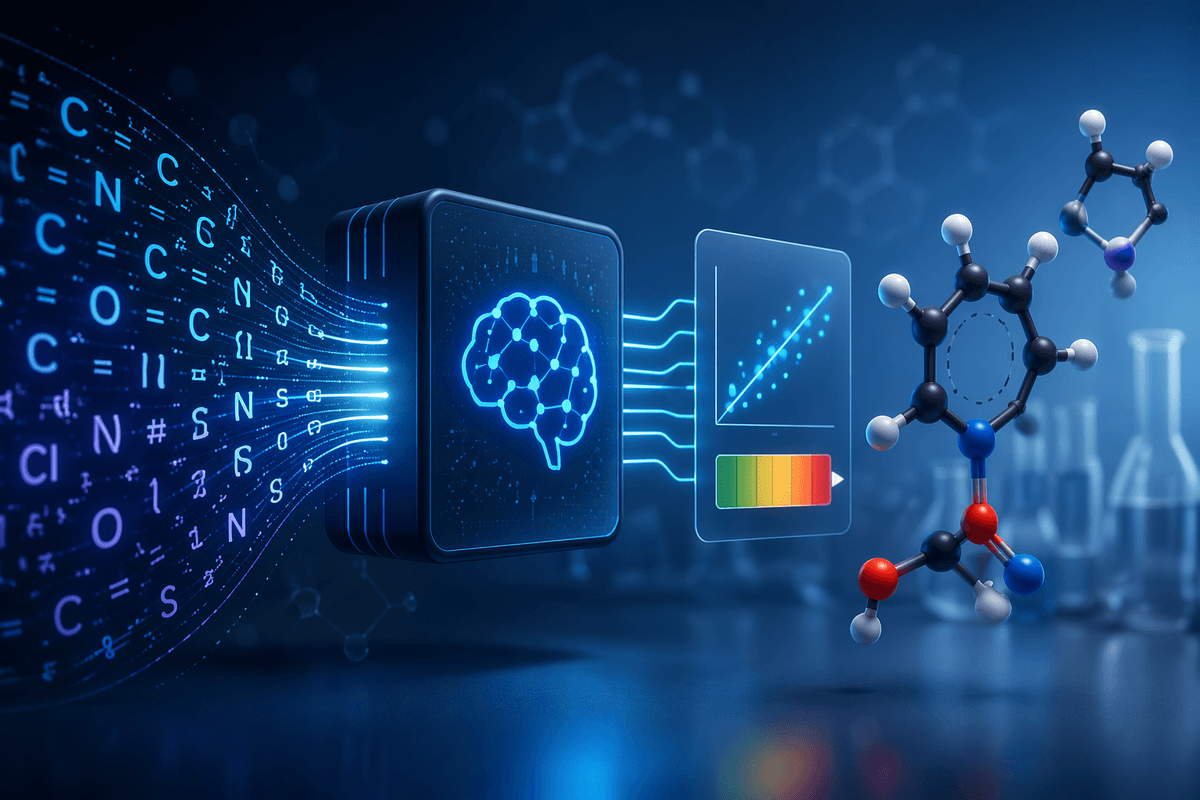
Why “AI thinks like humans” is so tempting to believe
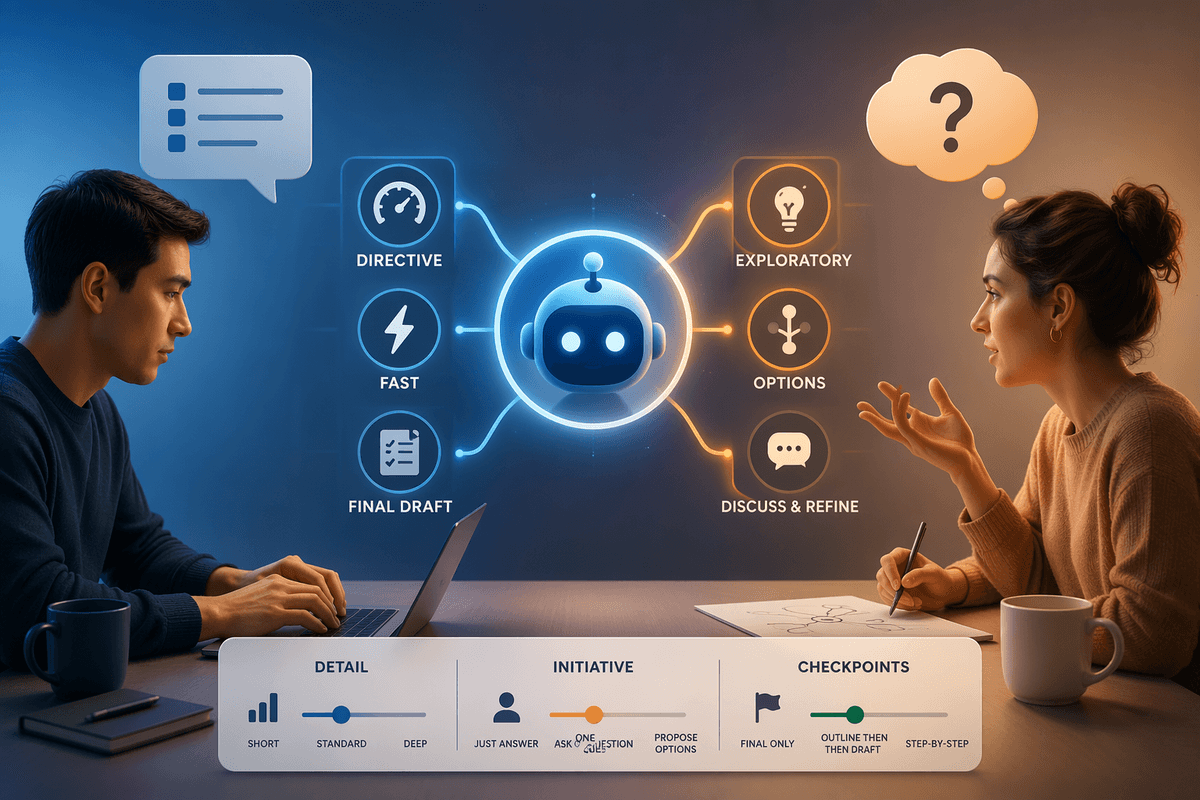
You ask a chatbot a question, and it answers in a confident, conversational tone, with jokes, empathy, and tidy bullet points. It feels like talking to a capable coworker, so it’s natural to assume there’s a similar mind behind the words. We’ve learned to treat fluent language as evidence of understanding, because that’s usually true with people.
Modern AI also mirrors our social cues: it takes turns, stays on topic, and “explains” its choices. Demos are often polished to highlight wins and hide edge cases, so the illusion holds until you hit a confusing prompt, an obscure scenario, or a high-stakes decision where a small mistake is expensive. The pull is real, but it comes from the interface as much as the system.
Human-like results vs human-like reasoning: what’s the difference?
You’ve probably seen a model write a persuasive email, diagnose a bug, or draft a policy in a way that sounds like a thoughtful person. That’s a human-like result: the output matches what a competent human might produce. It can be enough for many tasks, especially when you can quickly verify the answer or iterate with follow-up prompts.
Human-like reasoning is different. It implies the system has a stable understanding of what the words refer to, can track goals over time, and can justify decisions in a way that stays consistent when details change. Many AI systems can produce explanations that read like reasoning without actually depending on those explanations to reach the answer.
If you treat human-like output as human-like thinking, you’ll over-trust it in messy situations: unusual customers, rare legal constraints, or edge-case data. The cost shows up as extra review time, guardrails, and occasional failures that feel surprising because the writing sounded so sure.
Where AI genuinely resembles people: patterns, shortcuts, and priors
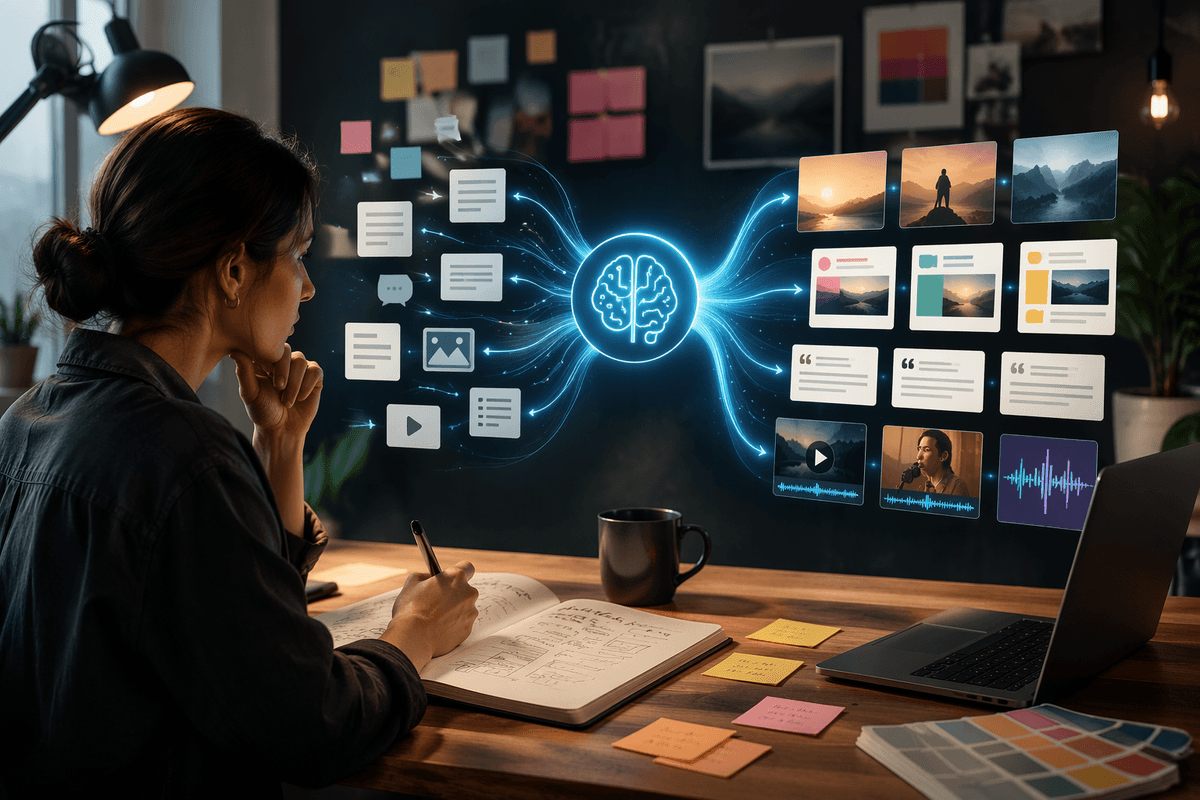
One of the strongest parallels between human thinking and modern AI is their shared reliance on patterns rather than explicit, step-by-step reasoning. Faced with limited time, people naturally lean on familiar templates—how a complaint email typically ends, what belongs in a standard project plan, or which response is most likely to satisfy a manager. Language models operate in much the same way, predicting the next piece of text from the context they receive and the statistical patterns learned during training.
The resemblance extends to decision shortcuts. People frequently solve problems by recognizing something that resembles a previous experience and only afterward explain why it "made sense." Language models can produce a similar effect: an answer arrives with a polished explanation that fits the conclusion, even though the underlying process is not the deliberate reasoning humans often imagine. Those built-in priors are useful because they make responses fast, but they also carry the risk of repeating biases or applying the wrong pattern when important context is missing. Correcting those mistakes usually requires additional information, careful prompting, and human review—reducing the illusion of an instant expert.
For that reason, AI tends to deliver the most value when it functions as an intelligent starting point rather than a final authority. Drafting, summarizing, brainstorming alternatives, and producing a first version for review all play to its strengths. As tasks become more dependent on hidden constraints—legal agreements, safety requirements, regulatory rules, or unusual exceptions—the limits of pattern matching become increasingly important, and careful human judgment becomes the deciding factor.
How modern AI “learns”: training, prediction, and feedback loops

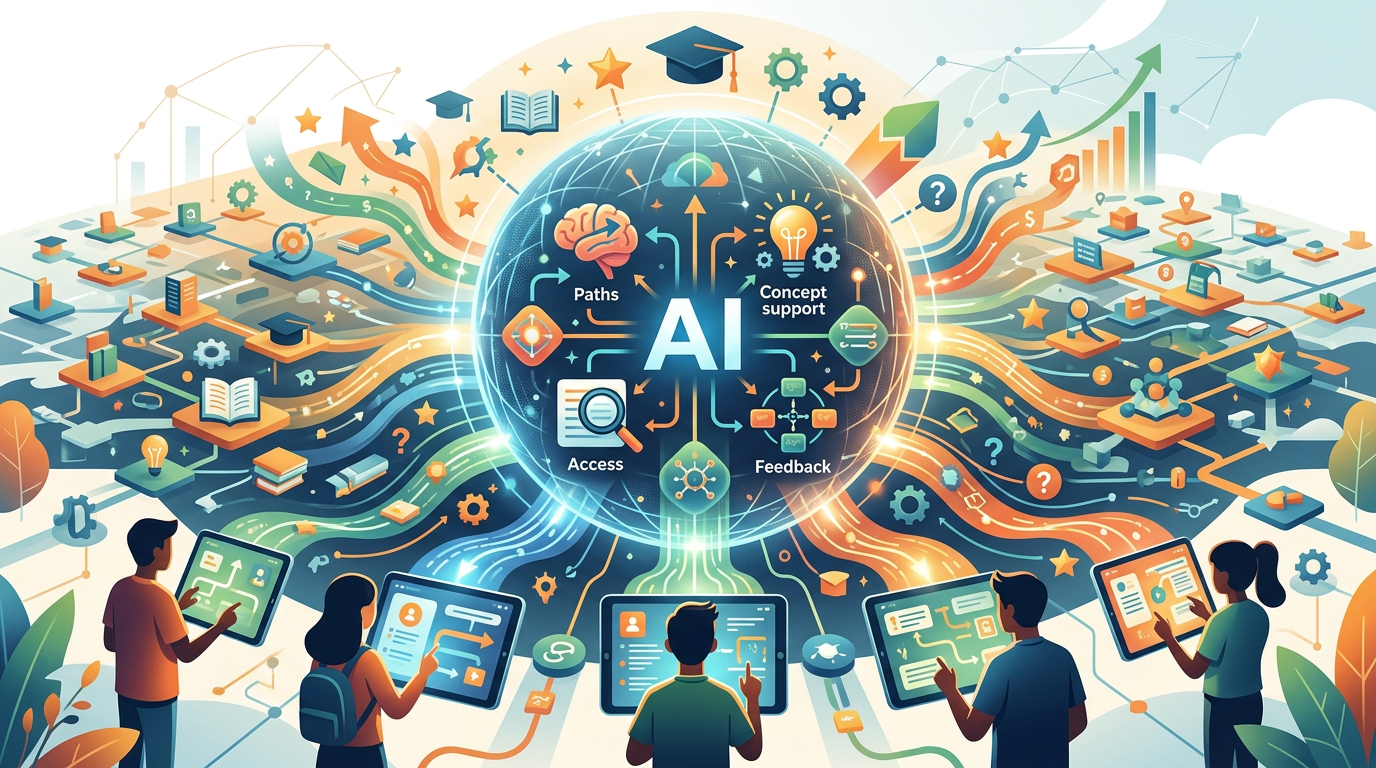
Think about how you learned to write work emails: you read thousands of messages, noticed what got good responses, and copied patterns that seemed to work. Modern language models “learn” in a similar-looking but very different way. During training, they ingest huge amounts of text and adjust internal settings so they get better at predicting the next word (or next chunk) given what came before. They aren’t storing a set of rules about the world so much as compressing statistical regularities into a model that can generate plausible continuations.
After that, many systems go through feedback loops. Humans rate outputs, and the model is tuned to produce answers that people tend to prefer: helpful, polite, safe, and on-topic. That makes the experience feel more like working with a reasonable colleague, but it also introduces a constraint: “sounds right to a rater” is not the same as “is right in your specific context.” Getting reliability often means adding retrieval, tools, and review steps, which costs time and operational effort.
Once you see prediction plus feedback as the core engine, the behavior makes more sense. The model can be impressive at familiar formats and still drift when the prompt is vague, when the domain is niche, or when the correct answer is rare in its training signals.
The telltale gaps: memory, goals, grounding, and common sense
You’ve probably noticed the odd experience of correcting a model, only to have it repeat the same mistake a few turns later. That’s a memory gap: many systems don’t retain stable, reliable memories across sessions, and even within a conversation they can lose track of earlier constraints when the text gets long or the instructions compete. Humans forget too, but they usually know what they’re trying to do and can ask clarifying questions when details are missing.
Goals are another tell. A person can hold an objective, notice when they’re drifting, and choose to pause, verify, or escalate. A model mainly follows the shape of the prompt and the immediate incentives of the interface (be helpful, be concise), which can look like goal-seeking without the same internal commitment. That’s why it may confidently complete a plan that violates a policy you didn’t restate.
Grounding and common sense are where failures get expensive. The model’s words often aren’t tied to fresh observations of your world—your inventory system, your customer history, today’s regulations—unless you connect it to tools or data. Doing that adds integration work, permissions, and review steps, and without it you can get plausible answers that sound practical while quietly being untrue.
When anthropomorphism helps—and when it becomes a risk

You’ll still catch yourself using human language for the system, and that’s not always wrong. Saying “it’s confused” or “it misunderstood” can be a quick way to coordinate a team: the prompt was ambiguous, the context window was overloaded, or the model latched onto the wrong pattern. That shorthand helps people debug, write clearer instructions, and remember to supply missing facts instead of arguing with the output.
The risk starts when the metaphor drives decisions. If you treat a model like a careful coworker, you may share sensitive data, assume it will “remember” a constraint next week, or accept a confident answer without checking the source. In customer support, hiring, medical, or legal workflows, that can turn into real costs: extra review layers, compliance incidents, and decisions that are hard to explain later because the system can’t reliably point to what evidence it used.
A useful rule of thumb is to anthropomorphize for communication, but de-anthropomorphize for control. Describe behavior in plain operational terms—what inputs it saw, what tools it can access, what it’s allowed to do, and who approves the final call—so the process doesn’t depend on trusting a personality that isn’t actually there.
A practical checklist for judging “human-like” AI claims
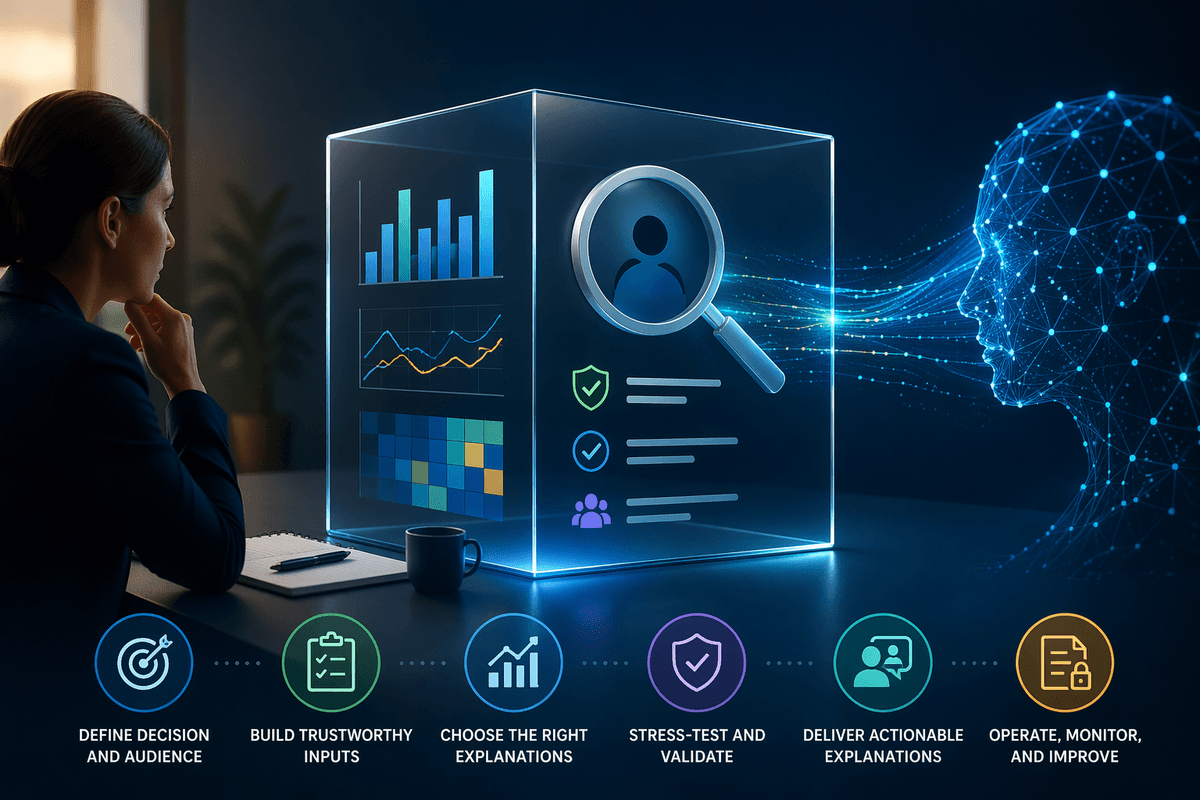
You’re in a meeting, someone runs a slick demo, and the system sounds “just like a person.” Before you buy that framing, ask what the model can actually do when the script breaks. Does it cite where key facts came from, preferably from your own approved sources, or is it producing confident prose without traceable evidence? Can it keep constraints straight across a long workflow, or does it need rules restated and outputs rechecked?
Give it a near-miss scenario (a similar customer, a slightly different policy, an edge-case exception) and see if it notices what changed. Ask it to list what it would need to know to be sure, then check whether it asks those questions unprompted. Finally, look for operational reality: who reviews outputs, how errors are logged, what integrations it depends on, and what it costs in time and oversight to make “human-like” safe.
So does AI mimic human thinking—or just human output?
Picture the model as an extremely capable “pattern finisher” for language and other signals. It can mimic the surface of human thinking—tone, structure, even a step-by-step justification—because those are common patterns in its training data and in what people reward. That’s why it often feels like it understands, even when it’s mainly producing the most likely continuation.
So the safest answer is: it mostly mimics human output, with some human-like shortcuts along the way. Treat it like a powerful draft-and-rewrite engine until you’ve proven otherwise in your environment. If a decision depends on grounded facts, stable constraints, or accountability, require sources, connect approved tools/data, and budget for review—because fluency is cheap, but reliability is not.